
Facts About Book Banning
Book banning is on the rise across Florida, restricting students’ access to diverse ideas, stories, and perspectives. Every removed book represents a lost opportunity for a student to explore history, identity, or a new way of seeing the world.
At 451 Avengers, we believe knowledge and imagination should never be limited by politics, fear, or censorship. Here’s what you need to know about the current state of book bans and challenges in our schools and libraries.
Key Facts
1. Any Book Can Be Challenged
In Florida, any book in a school or library can be challenged by anyone for any reason. This includes students, parents, or community members. Challenges often target topics like race, gender identity, sexuality, or historical events. Once challenged, books are frequently removed or restricted while the school board or library reviews them.
2. Students Lose Access to Ideas
Removing books limits students’ ability to explore history, identity, and ideas.
Books aren’t just stories—they are windows into other lives, cultures, and experiences. Every banned title narrows the perspectives students can encounter and the critical thinking skills they can develop.
3. Librarians Are Being Overruled
School boards and libraries are often pressured to remove books without input from professional librarians.
Experienced librarians are trained to evaluate content and balance educational value with age-appropriateness. When their guidance is ignored, decisions are made based on fear or politics rather than educational expertise.
4. Marginalized Voices Are Most Affected
Book bans disproportionately impact authors and stories from marginalized communities.
This includes books by and about LGBTQ+ people, Black, Indigenous, and people of color (BIPOC), and other historically underrepresented groups. Limiting access to these voices creates a narrower, less inclusive education for all students.
5. Challenges Are Increasing Across the State
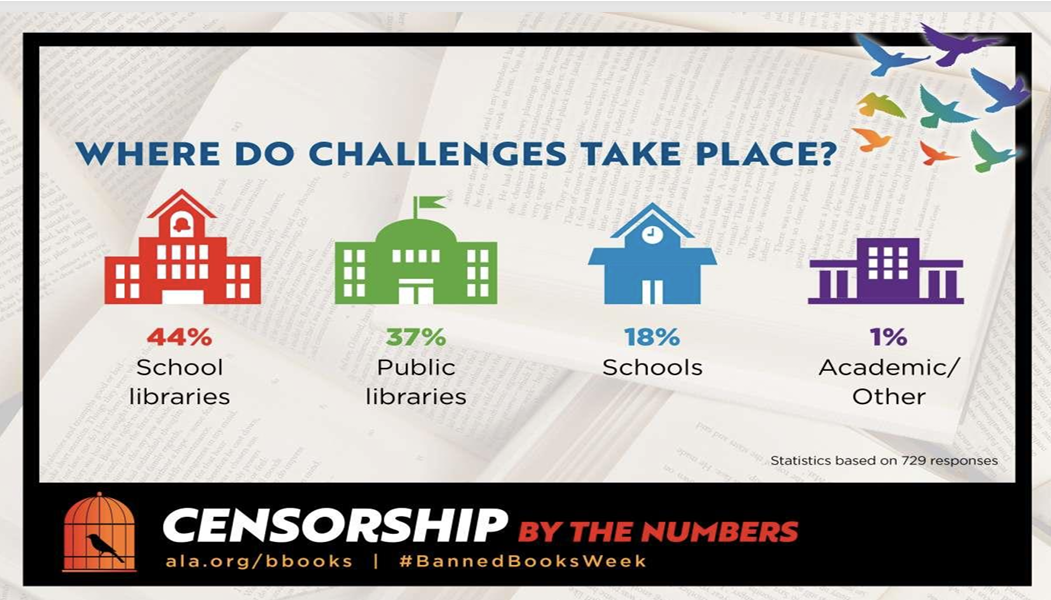
Reports show a sharp increase in book challenges in Florida over the past few years. From public schools to community libraries, more books are being questioned, removed, or relocated to restricted sections. The ripple effect limits access not just for one student or class, but for entire communities.
6. Advocacy and Awareness Matter
Every action counts. Communities that speak up can influence decisions and protect access. Parents, educators, librarians, and students have successfully restored books to shelves when they organized, attended board meetings, and raised public awareness. Knowing the facts is the first step toward defending the right to read.